
Celebrating Diversity: The Impact of Immigrant Foods on American Cuisine and Community
The United States is often called a melting pot, and nowhere is this more deliciously evident than in its food. Immigrants have brought with them a rich variety of culinary traditions that have shaped the American dining experience. These foods are more than just meals; they carry stories, histories, and cultural identities that enrich local communities and the broader culinary scene. This post explores the origins and cultural significance of immigrant foods, presents statistics on the diversity of cuisines in the U.S., and highlights their impact on communities and American cuisine.
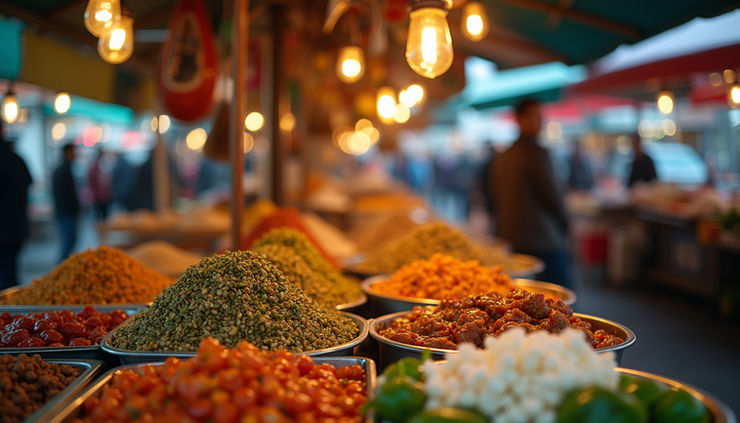
The Cultural Roots of Immigrant Foods
Food is a powerful expression of culture. When immigrants arrive in a new country, they often bring recipes and cooking techniques passed down through generations. These dishes reflect the geography, climate, and history of their homelands.
For example, Mexican immigrants have introduced staples like tacos, tamales, and mole, which are deeply connected to indigenous and colonial histories. Vietnamese immigrants brought pho and banh mi, combining French influences with traditional Vietnamese flavors. Italian immigrants popularized pizza and pasta, which have become American favorites but retain their regional Italian roots.
These foods serve as a link to home for immigrants and a way to share their heritage with others. They often adapt recipes to local ingredients or tastes, creating new variations that reflect their American experience.
Statistics on Cultural Cuisines in the U.S.
The U.S. Department of Agriculture and various culinary studies provide insight into the diversity of immigrant cuisines represented across the country:
Mexican cuisine is the most prevalent ethnic cuisine in the U.S., with approximately 40% of all ethnic restaurants serving Mexican food. This reflects the large Mexican-American population and the cuisine’s widespread popularity.
Chinese cuisine accounts for about 15% of ethnic restaurants, with dishes ranging from Cantonese dim sum to Sichuan spicy specialties.
Italian cuisine makes up roughly 12%, highlighting the long history of Italian immigration and its influence on American food culture.
Indian cuisine has grown rapidly, now representing around 5% of ethnic restaurants, with dishes like curry and tandoori gaining mainstream appeal.
Other cuisines such as Vietnamese, Korean, Middle Eastern, and Caribbean each represent between 2-4%, reflecting more recent immigration trends.
These numbers show how immigrant foods have become an integral part of the American culinary landscape, offering a wide range of flavors and cooking styles.
How Immigrant Foods Shape Local Communities
Immigrant foods do more than fill plates; they build community connections and foster cultural exchange. Restaurants and food markets often become gathering places for immigrants to maintain traditions and socialize. They also introduce neighbors to new tastes and customs, promoting understanding and appreciation.
In cities like Los Angeles, New York, and Houston, neighborhoods have developed around immigrant communities, with food playing a central role. For example:
Little Italy in New York City remains a hub for Italian-American culture and cuisine.
Chinatown neighborhoods across the country offer authentic Chinese food and cultural events.
Little Havana in Miami showcases Cuban food and music, attracting locals and tourists alike.
These areas boost local economies by attracting visitors and supporting small businesses. Food festivals celebrating immigrant cuisines also bring communities together, highlighting the diversity and creativity of these culinary traditions.
The Broader Impact on American Cuisine
Immigrant foods have transformed American cuisine by introducing new ingredients, cooking methods, and flavor profiles. They have inspired fusion dishes that blend elements from different cultures, creating unique culinary experiences.
For example:
Korean tacos combine Korean barbecue with Mexican tortillas.
Sushi burritos mix Japanese sushi techniques with the convenience of a burrito wrap.
Indian-inspired pizzas feature tandoori chicken and paneer cheese.
These innovations reflect the dynamic nature of American food culture, where tradition meets creativity. Immigrant foods have also influenced mainstream grocery stores, with ingredients like kimchi, plantains, and harissa becoming more widely available.
Preserving Heritage Through Food
For many immigrant families, cooking traditional dishes is a way to preserve their heritage and pass it on to younger generations. Food connects people to their roots and provides comfort in a new environment.
Community organizations and cultural centers often offer cooking classes and events to teach traditional recipes. This helps keep culinary traditions alive and allows others to learn about different cultures through food.
Encouraging Cultural Exchange Through Food
Trying immigrant foods encourages curiosity and openness. It invites people to explore different cultures and histories in an accessible way. Food can break down barriers and create shared experiences.
Supporting immigrant-owned food businesses also promotes economic inclusion and diversity. It helps sustain cultural traditions while enriching the broader community.


Comments